Acoustic Stress Alleviation and Environmental Sensory Enrichment: Noise Mitigation Protocols

The sensory reality of companion animals differs fundamentally from human perceptual experience. While human sensory biology is dominated by trichromatic vision and mid-range audio frequencies, domestic dogs, cats, small rodents, and birds operate with sensory faculties that extend far beyond human perception into ultrasonic audio registers and intricate olfaction. In modern urban domestic homes, invisible … Read more
Companion Animal Microclimate Engineering: Thermal Neutrality, Humidity Zoning, and Seasonal Control

Companion animals inhabit indoor domestic microclimates that are engineered primarily for human thermal preferences. However, non-human species exhibit vastly different physiological thermoregulatory mechanics, surface-area-to-volume ratios, skin evaporative capabilities, and coat insulating values. Disregarding companion animal thermal biology leads to subclinical chronic stress, respiratory dehydration, exacerbation of orthopedic arthritis, and acute, life-threatening hyperthermia or hypothermia. Comparative … Read more

Indoor Veterinary Biosecurity and Disinfection Science: Pathogen Inactivation and Safe Cleaning Agents

Biosecurity is not a concept reserved exclusively for agricultural livestock facilities or commercial veterinary surgical suites; it is a foundational pillar of companion animal health in domestic households, foster environments, and private animal rescues. Pathogens such as Canine Parvovirus, Feline Panleukopenia, Giardia, and dermatophytes can persist in domestic indoor environments for months or even years. … Read more

Domestic Companion Animal Toxicology: Household Flora, Phyto-Toxins, and Antidote Protocols

Toxicological emergencies represent some of the most time-critical clinical crises encountered in small animal veterinary medicine. Companion animals share indoor domestic environments filled with commercial cleaning chemicals, ornamental botany, human pharmaceuticals, and culinary foods that are safe for human consumption but biologically lethal to non-human species. Understanding toxicological mechanisms, calculating toxic doses ($mg/kg$), recognizing species-specific … Read more

Domestic Ferret Metabolic Physiology: Insulinoma, Adrenal Cortical Disease, and Hyperestrogenism

The domestic ferret (Mustela putorius furo) is an obligate carnivorous mustelid possessing an extraordinarily rapid gastrointestinal transit time (3 to 4 hours) and a unique, highly specialized endocrine system. In contemporary veterinary medicine, ferrets exhibit an alarmingly high incidence of specific neoplastic and endocrinological disorders, predominated by Pancreatic Islet Cell Tumors (Insulinoma) and Hyperadrenocorticism (Adrenal … Read more

Guinea Pig Nutritional Biochemistry: L-Gulonolactone Oxidase Deficit and Ascorbic Acid Protocols

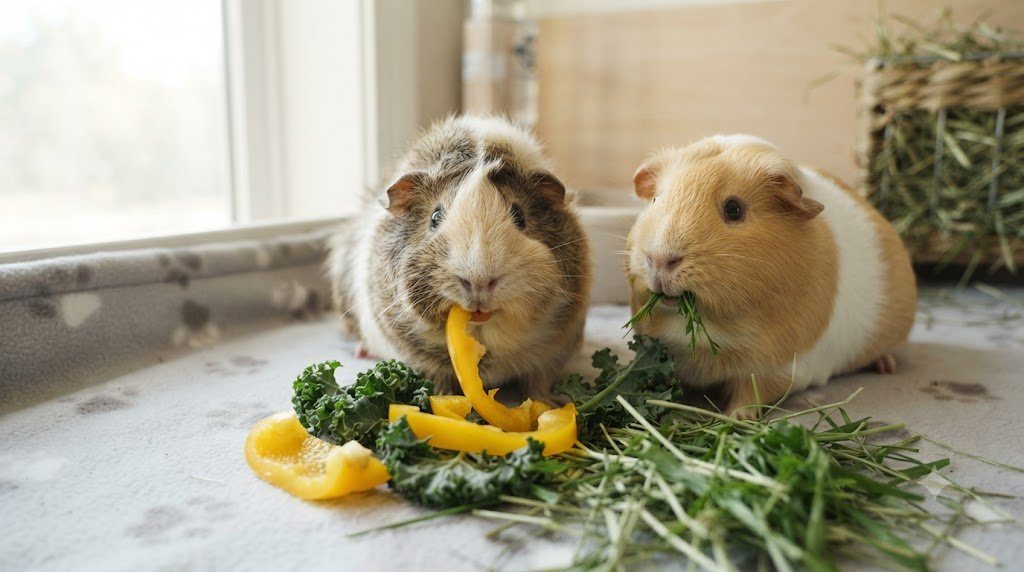
The domestic guinea pig, or cavy (Cavia porcellus), possesses one of the most distinctive and precarious metabolic profiles in veterinary medicine. Along with humans, non-human primates, and certain fruit bats, guinea pigs are among the very few mammals incapable of endogenous Vitamin C synthesis. This inborn biochemical defect renders them exquisitely vulnerable to dietary deficiency, … Read more

Exotic Rodent Dental Pathology: Hypsodont Occlusion, Elongation, and Abscessation Management

Acquired Dental Disease represents one of the most agonizing, debilitating, and prevalent clinical syndromes affecting domestic companion rodents and lagomorphs, including guinea pigs (Cavia porcellus), chinchillas (Chinchilla lanigera), rabbits, and degus. These herbivores share a distinct physiological adaptation known as elodont (open-rooted, continuously growing) hypsodont dentition. While continuous tooth eruption allows wild animals to consume … Read more

Lagomorph Gastrointestinal Stasis (RGIS): Cecotrophy, Motility, and Fiber Mechanics in Rabbits

Gastrointestinal Stasis (RGIS), commonly termed ‘GI Stasis’, is the single most common life-threatening emergency syndrome encountered in companion rabbit medicine. Domestic rabbits (Oryctolagus cuniculus) possess a specialized digestive physiology characterized as hindgut fermentation. Unlike ruminants, rabbits are small, high-metabolism herbivores requiring continuous movement of fibrous plant material through their digestive tract. When gut motility slows … Read more

Avian Environmental Husbandry: Cage Aerodynamics, Full-Spectrum Photoperiodism, and Perch Ergonomics

Husbandry design forms the physical foundation of avian health and longevity. Companion birds spend significant portions of their lives interacting directly with the physical perches, wire bars, lighting spectrums, and air volumes within their domestic enclosures. Substandard housing architecture—such as uniform dowel perches, insufficient horizontal flight dimensions, toxic cage metals, and unnatural artificial lighting—predisposes birds … Read more

Psittacine Behavioral Psychology and Feather Destructive Behavior: Psychogenic Plucking Protocols

Feather Destructive Behavior (FDB)—encompassing obsessive feather picking, barbering, chewing, and severe self-inflicted soft tissue mutilation—is one of the most frustrating and complex behavioral-medical syndromes encountered in avian medicine. Affecting captive psittacines with extraordinary intelligence, such as African Grey parrots (Psittacus erithacus), Cockatoos (Cacatua species), and Eclectus parrots (Eclectus roratus), FDB is not a discrete disease … Read more

About PetGuideHub

About PetGuideHub

PetGuideHub is your comprehensive veterinary-informed companion animal resource covering canine and feline clinical nutrition, avian habitat engineering, exotic small mammal husbandry, and household toxicology safety. We empower pet parents with practical, science-backed wellness guides.

Learn More →
Expert Advice Veterinary Nutrition
Species-Specific Care Behavioral Enrichment
Toxicology & Safety Preventative Wellness