Avian Environmental Husbandry: Cage Aerodynamics, Full-Spectrum Photoperiodism, and Perch Ergonomics

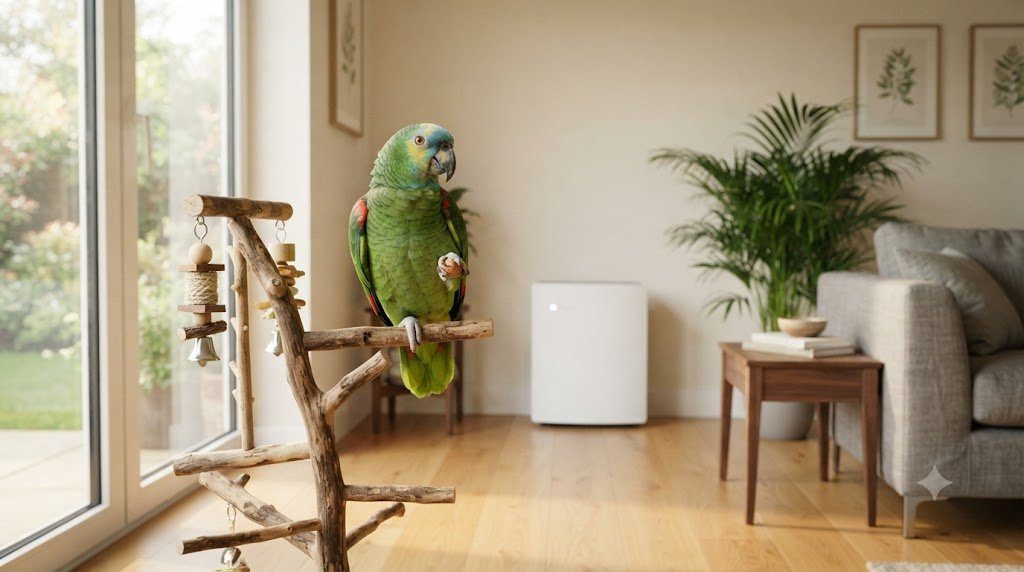
Husbandry design forms the physical foundation of avian health and longevity. Companion birds spend significant portions of their lives interacting directly with the physical perches, wire bars, lighting spectrums, and air volumes within their domestic enclosures. Substandard housing architecture—such as uniform dowel perches, insufficient horizontal flight dimensions, toxic cage metals, and unnatural artificial lighting—predisposes birds … Read more

Psittacine Behavioral Psychology and Feather Destructive Behavior: Psychogenic Plucking Protocols

Feather Destructive Behavior (FDB)—encompassing obsessive feather picking, barbering, chewing, and severe self-inflicted soft tissue mutilation—is one of the most frustrating and complex behavioral-medical syndromes encountered in avian medicine. Affecting captive psittacines with extraordinary intelligence, such as African Grey parrots (Psittacus erithacus), Cockatoos (Cacatua species), and Eclectus parrots (Eclectus roratus), FDB is not a discrete disease … Read more

Avian Respiratory Biomechanics and Domestic Inhalation Toxicities: PTFE/PFOA and Airway Anatomy

The avian respiratory system is the most thermodynamically efficient gas-exchange apparatus in the vertebrate kingdom, evolved to support the immense metabolic oxygen demands of sustained aerodynamic flight at high altitudes. However, the very physiological adaptations that confer this extraordinary respiratory efficiency render companion birds exceptionally vulnerable to aerosolized domestic toxins. Airborne particulates and chemical vapors … Read more

Avian Psittacine Nutritional Biochemistry: Pelleted Formulations, Hypovitaminosis A, and Seed Deficits

Nutritional deficiency represents the underlying etiology in over 70% to 80% of all clinical illnesses diagnosed in captive companion parrots (Order Psittaciformes). Historically, pet birds were maintained on all-seed diets (such as commercial sunflower, safflower, and millet mixes) under the mistaken assumption that seeds represent their natural wild forage. In reality, wild psittacines consume diverse … Read more