Feline Preventative Medicine and Retrovirus Management: FeLV, FIV, and Early Dental Resorptive Lesions
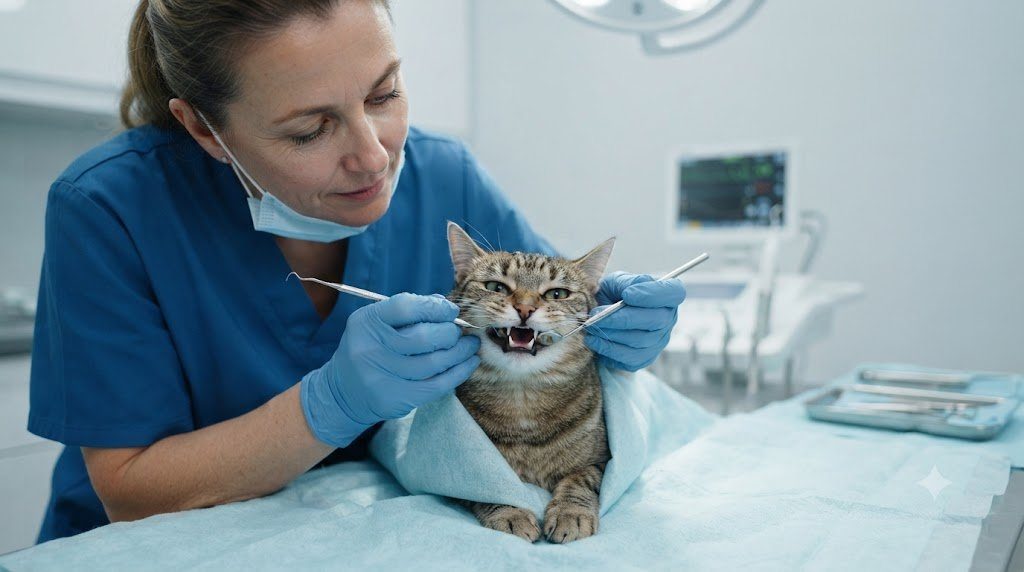
Feline preventative healthcare demands unique clinical vigilance due to the cat’s evolutionary propensity as a solitary predator to mask overt signs of pain and physiological distress. By the time a feline displays recognizable clinical lethargy or anorexia, underlying pathological processes are frequently advanced. Establishing proactive screening protocols for feline retroviruses (FeLV and FIV), implementing life-stage … Read more


Feline Environmental Enrichment and Behavioral Stress Alleviation: Multi-Cat Resource Distribution

Indoor confinement provides undeniable safety benefits for domestic felines, eliminating motor vehicle trauma, infectious disease transmission, and predatory violence. However, keeping an inherently territorial, sensory-acute predator confined within unstimulating indoor spaces frequently generates profound chronic behavioral stress. Manifesting as inappropriate elimination, inter-cat aggression, compulsive over-grooming (psychogenic alopecia), and idiopathic cystitis, feline stress is directly rooted … Read more

The Feline Obligate Carnivore Paradigm: Amino Acid Taurine Pathways, Arginine, and Carbohydrate Metabolism

The domestic feline (Felis catus) represents the quintessential physiological specialist of the mammalian kingdom: an obligate (strict) carnivore. Unlike omnivorous canines, felines have evolved with an absolute metabolic dependency on nutrients synthesized solely within animal tissues. Over millions of years of evolutionary adaptation to a diet composed exclusively of vertebrate prey, cats experienced the loss … Read more

Feline Renal and Lower Urinary Tract Pathophysiology: FLUTD, Urolithiasis, and Hydration Mechanics

Feline Lower Urinary Tract Disease (FLUTD) and Chronic Kidney Disease (CKD) represent two of the most significant clinical challenges in feline veterinary practice. As desert-adapted apex predators descending from the African wildcat (Felis lybica), domestic felines possess distinct renal physiological adaptations—including exceptionally high urine concentrating capabilities and an inherently low intrinsic thirst drive. When managed … Read more